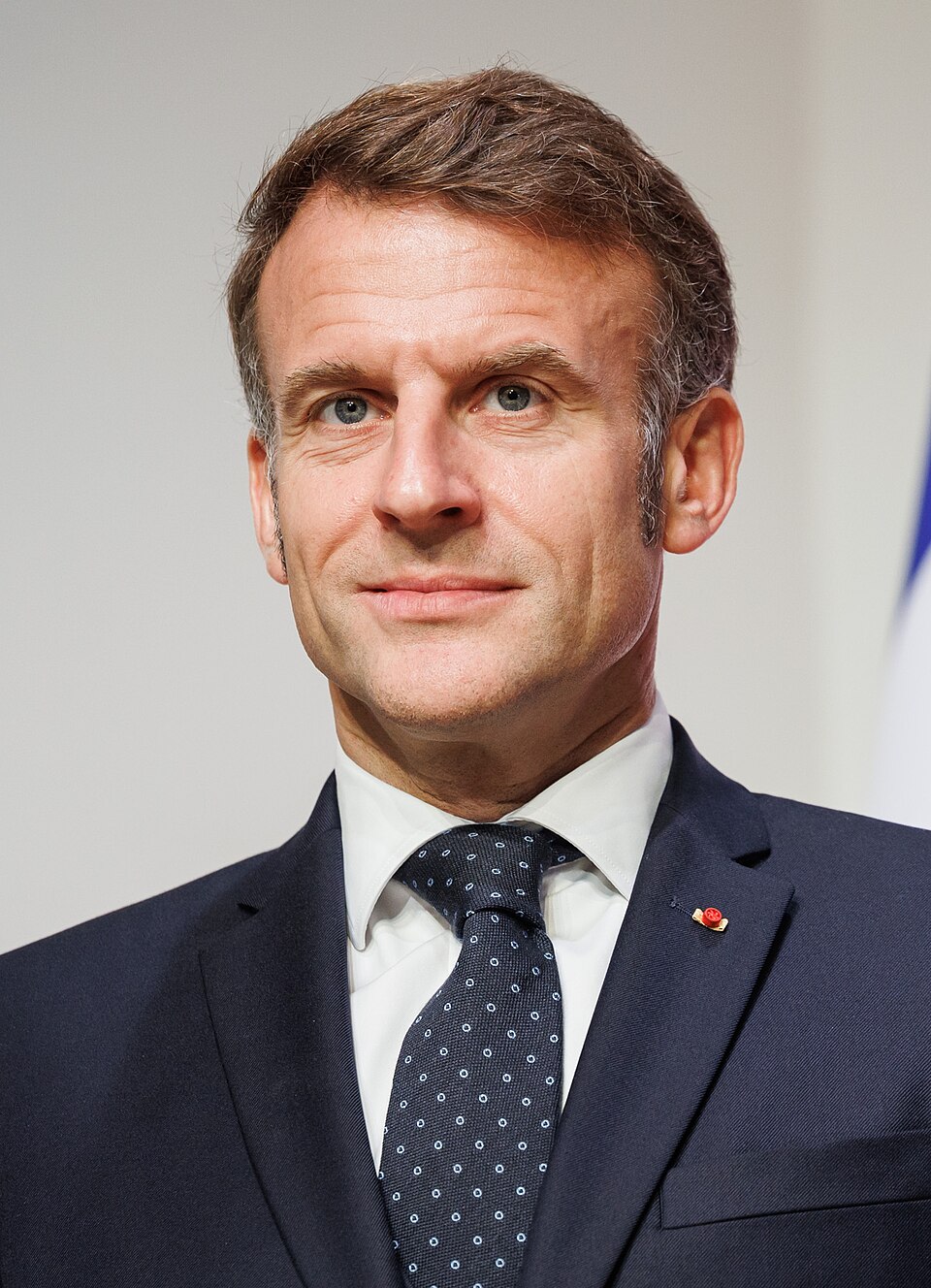
In a period of escalating global tensions, particularly across the Middle East, French President Emmanuel Macron has demonstrated a decisive commitment to safeguarding national interests and supporting allies. His recent directives, notably the deployment of France's premier aircraft carrier, the Charles de Gaulle, and its formidable escort group to the Mediterranean, underscore a robust and proactive defense posture. This strategic move, often referred to as a "macron démonstration force" – a clear show of French military strength – is a multifaceted response designed to project stability, deter aggression, and protect vital assets in a volatile region.
Macron's address to the nation, delivered against the backdrop of a rapidly deteriorating situation, highlighted France's unwavering resolve. The deployment of significant naval and air assets is not merely a symbolic gesture; it is a tangible manifestation of France's capacity and willingness to act decisively on the international stage, reinforcing its strategic autonomy and commitment to its global responsibilities.
France's Robust Response: The Charles de Gaulle Deployment
On Tuesday, March 3, 2026, President Macron formally announced the order for the nuclear-powered aircraft carrier Charles de Gaulle, along with its full complement of air assets and frigate escort, to set sail for the Mediterranean. This decision came just days into a widening conflict in the Middle East, described by some as potentially lasting for weeks or even longer. The Charles de Gaulle is not just a ship; it is the cornerstone of French naval power projection, capable of launching Rafale fighter jets, surveillance aircraft, and helicopters from its deck, making it a highly versatile and potent instrument of diplomacy and defense.
The strategic importance of this deployment cannot be overstated. By positioning its only aircraft carrier in the Mediterranean, France is placing a powerful, self-contained air and naval force directly adjacent to a critical geopolitical flashpoint. This move serves multiple purposes:
- Deterrence: The mere presence of such a formidable task group sends a strong message to potential aggressors, signaling France's readiness to defend its interests and those of its partners.
- Protection: It provides a flexible platform for air superiority, reconnaissance, and potential strike operations, enhancing the security of French nationals, bases, and shipping lanes in the region.
- Force Projection: It reaffirms France's status as a major global player capable of independent military action and demonstrates its commitment to international security.
- Regional Stability: By enhancing security, France contributes to de-escalation efforts and provides a framework for potential humanitarian aid or stabilization operations if required.
This deployment highlights France's enduring commitment to maritime security and its capacity to respond swiftly to crises far from its shores. For a deeper dive into this pivotal move, read our article: Macron Deploys Charles de Gaulle: France's Mediterranean Force.
Safeguarding Alliances and National Assets
Macron's strategy extends beyond the deployment of the Charles de Gaulle. It encompasses a comprehensive approach to securing specific allies and French strategic assets, reflecting a nuanced understanding of regional interdependencies.
Reinforcing Cyprus: A European Ally
A pivotal element of Macron's strategy is the reinforcement of Cyprus. The strike on a British air force base on the island served as a stark reminder of the widening scope of regional conflict. Macron emphasized that Cyprus, as a member of the European Union and a nation with which France shares a recently signed strategic partnership, necessitates direct support. In response, France immediately dispatched additional air-defense assets and the frigate Languedoc to the Cypriot coast. This action not only bolsters Cyprus's defenses but also sends a clear message about France's commitment to its EU partners and strategic alliances, demonstrating solidarity in the face of external threats.
Protecting French Interests in the UAE
Further demonstrating the "macron démonstration force," France has also bolstered its presence and protection capabilities in the United Arab Emirates. With hundreds of French navy, air force, and army personnel stationed in the UAE, particularly at the Al-Dhafra base near Abu Dhabi, safeguarding these assets is paramount. Following a drone strike that hit a hangar at a French base, Foreign Minister Jean-Noël Barrot confirmed the deployment of Rafale fighter jets over the UAE. These Rafales and their pilots are specifically tasked with ensuring the security of French facilities and conducting operations to secure the airspace above its bases, effectively neutralizing threats like Iranian drones.
The incident in the UAE underscores the evolving nature of warfare in the region, where non-state actors and advanced drone technologies pose significant challenges. France's proactive measures, including advanced air-defense systems and airborne radar, aim to protect its personnel and infrastructure while ensuring continued operational capability in a critical strategic location.
The Broader Strategy: Macron's Vision for Regional Stability
Macron's M.E. strategy is rooted in a broader vision for regional stability, combining robust defense with diplomatic engagement. This demonstration of force is not an end in itself but a means to achieve specific strategic objectives:
- Deterrence and De-escalation: By presenting a credible military presence, France aims to deter further aggression and encourage all parties to consider the consequences of escalation.
- Protection of International Law: France emphasizes the importance of respecting national sovereignty and international norms, particularly in preventing attacks on sovereign territories and military installations.
- Strategic Autonomy: These deployments highlight France's capacity to act independently when its vital interests or those of its allies are threatened, reinforcing its role as a significant European and global power. This aligns with Macron's long-standing push for greater European strategic autonomy.
- Support for Regional Partners: France's actions signal solidarity with countries in the region targeted by retaliatory strikes, providing reassurance and tangible support. This collaboration is crucial for fostering long-term stability.
President Macron’s focus on raising France's defense posture in the Middle East reflects a proactive approach to evolving threats, aiming to protect French nationals and bases, while simultaneously supporting regional stability. This multifaceted strategy involves both direct military action and concerted diplomatic efforts to navigate the complexities of the Middle East.
Practical Implications and Future Outlook
The practical implications of Macron’s "démonstration force" are far-reaching. For regional actors, it signifies that France remains a committed and capable security partner. For the broader international community, it underscores the interconnectedness of global security and the necessity for robust defense policies. France’s commitment to sustained effort, as articulated by Macron – "we will continue this effort as much as necessary" – indicates a long-term strategic engagement rather than a short-term reaction.
Looking ahead, France will likely face ongoing challenges in balancing its direct security interests with the broader imperative of regional de-escalation. This will involve:
- Intelligence Gathering: Enhanced reconnaissance and surveillance to anticipate threats and inform strategic decisions.
- Diplomatic Engagement: Continued efforts to foster dialogue and mediate conflicts, leveraging France’s diplomatic network.
- Cooperation with Allies: Working closely with European partners and other international actors to ensure a coordinated and effective response to regional instability.
- Technological Adaptation: Investing in and deploying cutting-edge defense technologies to counter evolving threats like drone warfare and cyberattacks.
The deployment of such significant assets also requires careful consideration of logistical challenges, personnel welfare, and maintaining operational readiness over extended periods. France's ability to sustain this high-level commitment will be a testament to its resolve and military prowess.
In conclusion, President Emmanuel Macron's decisive actions in deploying the Charles de Gaulle and other critical assets represent a powerful and strategic "macron démonstration force." This comprehensive strategy is a clear signal of France's unwavering commitment to protecting its national interests, upholding its alliances, and actively contributing to regional stability in a highly volatile Middle East. It underscores a proactive and robust foreign policy, demonstrating France's capacity and readiness to act as a significant and responsible power on the world stage, ensuring the security of its citizens and the integrity of its partnerships.